


New-style music hubs are “highly valued”, but face issues around funding and access, an evaluation report has found.
Music hubs are groups of schools, councils, community groups, music organisations and others that support schools to develop “high quality” music education through teaching and help with sourcing instruments and professional development.
Arts Council England delivers the scheme on behalf of the Department for Education (DfE). Its operation is due to move to the oversight of the government’s new National Centre for Arts and Music Education from September 2027.
There were previously 114 hubs, but in 2024 the system was restructured into 43 music hub partnerships covering larger areas.
A new interim report, carried out by NatCen for the DfE, has evaluated the first year of that new model, up to last July.
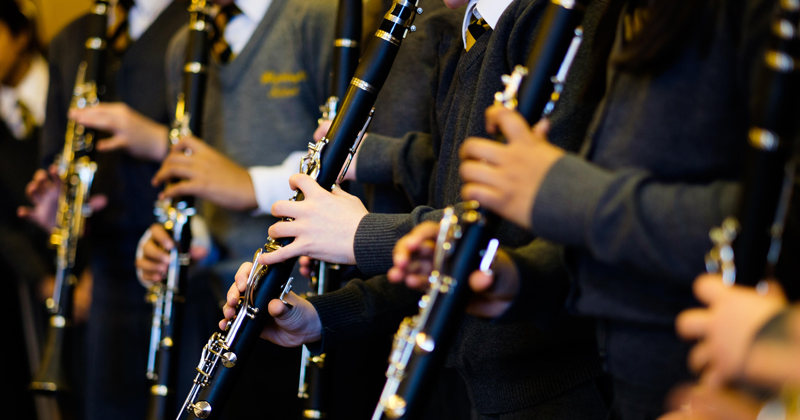
It found the hubs “continue to deliver services that are highly valued by schools, teachers, parents, and pupils.”
But it also highlighted challenges including around “funding, workforce capacity, and geographical access”.
Three-quarters of parents reported satisfaction with the scheme, highlighting affordability and quality, while around 80 per cent of teachers said music hubs provided useful professional development.
‘Most significant risk’ to music hubs
But rising costs and tight budgets remain “the most significant risk”, the report said, affecting schools’ ability to pay for the scheme and hubs’ capacity to deliver it.
Affording music provision was difficult “due to wider school budget constraints”, schools said.
Meanwhile hubs reported difficulty meeting demand, in terms of both affordability of support and availability of staff. More than three-quarters said recruiting music teachers was “difficult”.
Awareness also appeared limited. Only 35 per cent of parents and 30 per cent of pupils said they knew about their local music hub.
Cost a barrier to pupils
Cost was one of the main barriers to taking part in extra musical activities, according to parents and pupils.
In some areas, pupils and music teachers reported difficulty getting to hubs for music lessons due to distance. The report noted this issue also existed under the previous model.
The report looked at how hubs have found sourcing funding from a £25 million capital grant, which has been available since September 2024 to help buy musical instruments and other equipment.
Next few years ‘critical’
Staff said that, while the grant has improved access to instruments, there was “administrative complexity, poor timing, and lack of flexibility in how the funding could be spent once allocated”.
Overall, the report noted signs of “stabilisation and improvement” of the scheme, but it warned that the next few years “will be critical”.
It said music hubs “require sustained investment”, monitoring and a focus on equal access to make sure they have the desired effect.
It recommended “sustaining investment” and “strengthening the workforce” through investment in professional development and “long-term workforce planning”.
National arts and music education centre to open in autumn
The report’s publication comes as the government opened the bidding process to run its new National Centre for Arts and Music Education, which will oversee the hubs programme in the future. Plans for the new centre were announced last spring.
In tender documents for the £13 million contract, the DfE said it was seeking a delivery partner to “establish and operate” the centre, which is supposed to open in September.
The centre “will aim to ensure every child in England has more equitable access to high-quality arts education by supporting excellent teaching, developing sustainable partnerships between schools and cultural organisations, and promoting arts education opportunities”.

It will offer online continuing professional development for teachers, foster collaboration between schools and cultural organisations and “promote arts education to school leaders, teachers, parents and young people”.
The provider will be responsible for oversight of the music hubs network, “assuming responsibility as fundholder from September 2027”, as well as monitoring hubs’ performance and delivery.
According to the DfE, the centre will be established with a phased implementation plan for its work from September. It will have a year to transition from existing oversight arrangements for the hubs with Arts Council England.
Existing capital funding for hubs will also be extended to the end of April 2027. The centre “will not therefore need to assume responsibility for this grant”.
Future funding for the music hubs revenue grant “will be confirmed in due course and is separate to this contract value”.












Your thoughts