

School pupils and staff are set to be eligible for trips to Europe after ministers agreed terms with the EU to rejoin the Erasmus+ study abroad scheme.
The UK will contribute around £570 million to the programme for the 2027-28 academic year – a 30 per cent discount compared to standard trade agreements, according to the Cabinet Office.
Future participation will have to be negotiated as part of the EU’s long-term budget and be “based on a fair and balanced contribution”.
The new deal is likely to mark the end of the Turing scheme, which was created after Brexit as a replacement for Erasmus+ and placed more emphasis on sending disadvantaged youngsters abroad.
No funding has been announced to continue the Turing Scheme next year. But details on its future beyond this academic year will be “shared in due course”, the Cabinet Office said.
100,000 trips
Rejoining Erasmus+ could see over 100,000 schoolchildren, FE learners, university students and apprentices travel across Europe for study and work placements in its first year.
EU relations minister Nick Thomas-Symonds said: “This is about more than just travel: it’s about future skills, academic success, and giving the next generation access to the best possible opportunities.”
School trips could involve “travelling to a different country to study at a partner school, take part in group learning activities, attend training or job-shadow”, the Department for Education said.
Pupils can go abroad for up to 30 days, with teachers able to take up overseas assignments lasting a year.
They won’t be able to apply for funding – contributing to organisational, travel and living costs, course fees, visa payments and preparatory visits – individually. Instead, bids must be lodged through schools.
Additional cash
DfE noted additional cash will be available to youngsters “with disabilities, additional learning needs and those from disadvantaged backgrounds”.
But when asked what proportion of places will go to schools, the Cabinet Office said it could not say as it will depend on the applications lodged.
Pepe Di’Iasio, general secretary of school leaders’ union ASCL, welcomed the news, adding: “Our hope is that this will help to incentivise language learning in schools, something which has been at risk of decline in recent years, and put young people in the UK on an even footing with their European peers.”
He is “concerned” opportunities “have become more limited”, noting: “This has particularly been the case in the schools sector, with only a small percentage of applications to the Turing Scheme from schools and sixth forms being accepted.”
The government had spent around £100 million per year on the Turing Scheme since its launch in 2021. But funding was cut by nearly one third for the 2025-26 academic year to £73.6 million.
Schools Week revealed in October just 32 per of schools bidding for cash this year were successful, down from 90 per cent 12 months before. This compares to 99 per cent (115) for universities and 51 per cent (140) for further education institutions.
‘Opening doors’
DfE also confirmed that leaders will now be able to access an online platform – called eTwinning – that allows European schools to “connect and work on joint projects, share teaching materials, find partners [schools] and discuss in online groups”.
A national agency “will be appointed in due course” to deliver the programme, the department added, with a website containing “further information” due to launch in the summer.
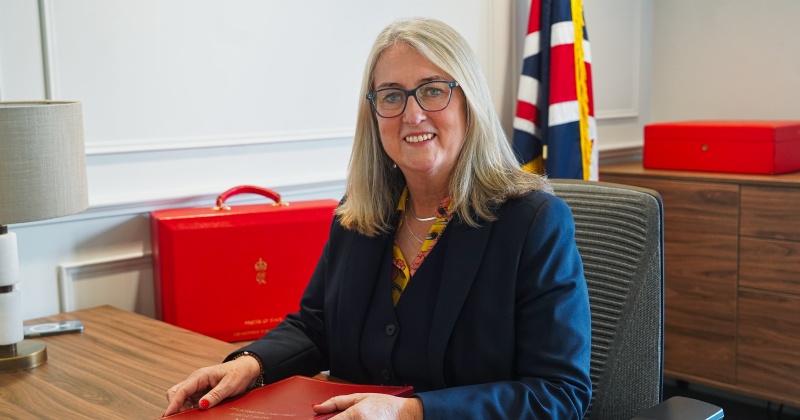
Skills minister Jacqui Smith said: “Erasmus+ will open doors for thousands of students and staff right across the country in universities, schools, colleges and adult education.
“This is about breaking down barriers to opportunity, giving learners the chance to build skills, confidence and international experience that employers value.”











Your thoughts