

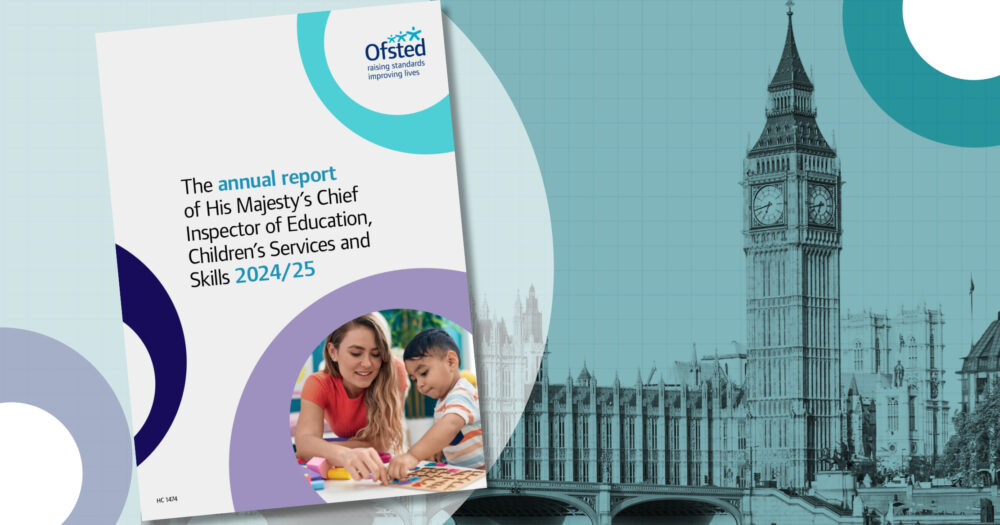
Ofsted has warned of “multiple missed opportunities” to identify pupils’ SEND needs and arrange support to keep them in school.
In his annual report, chief inspector Sir Martyn Oliver also expressed deepening concerns about the number of children only attending school part-time and those missing it entirely.
Ofsted has also warned of growing issues with behaviour. You can read about that here.
Here’s what we learned…
1. ‘Missed opportunities’ to keep pupils with SEND in school
Each year Ofsted carries out thematic visits with the Care Quality Commission, as part of area SEND inspections. This year, the theme they explored was children who are not in school.
On these visits, Ofsted found “multiple missed opportunities to identify children’s needs early” and arrange support that could have helped them stay in school.
Some areas “lacked robust processes or capacity to oversee children who were not in school”, particularly those without a education, health and care plan (EHCP).
Meanwhile children out of school “struggled to access health services to meet their needs”, such as mental health support or speech and language therapy.
Ofsted will publish a full report on findings from these visits soon.
2. Professionals ‘trying their best’…
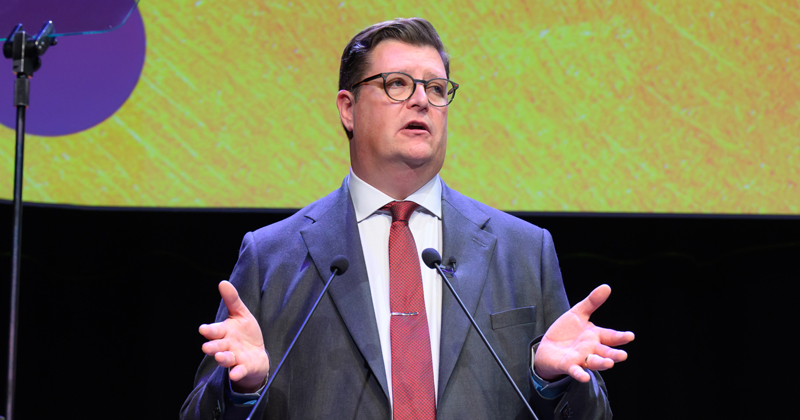
In the report, Oliver said it was “hard to disagree” that the SEND system is “broken”.
But “to describe it as such doesn’t do justice to the professionals who are trying their best to support some of the country’s most vulnerable children”.
“Nor does it give confidence to the parents and carers who are navigating – and often ‘fighting’ – the system for the best possible support for their child.”
In 29 SEND area inspections of local areas last year, positive experiences and outcomes “were the norm in just four areas of the country”.
In 16 areas outcomes were “inconsistent”. In nine there were “systemic failings”.
3. … but long waits for provision
In the first two years of inspections under its revised framework, Ofsted found delays in producing EHCPs “remained widespread and many plans were poor quality”.
It also found “long waits for health services, including child and adolescent mental health services (CAMHS) and speech therapy, were common”. Early help and identification of children’s needs was “inconsistent, leading to missed opportunities for early intervention”.
Preparation for adulthood was “often weak, and children received limited support with transitioning to education, employment or independence”.
4. More concerns over part-time timetables…
Ofsted remained “concerned that high numbers of children do not attend school on a full-time, permanent basis”.
Last year, the inspectorate raised concerns about a rise in “flexi-schooling” – pupils educated in school for part of the week, and at home for the rest – and part-time timetables.
This year, it is “concerned… even more children are in some of these arrangements”, including “a rise in flexi-schooling”.
Figures show children recorded as home educated have jumped 21 per cent, to 111,700, while the number in local authority-commissioned alternative provision has soared 24 per cent, to 59,700.
Another 27,900 are in AP placements commissioned by schools. An estimated 41,000 pupils are on part-time timetables.
5. … and pupils out of school entirely
“Most concerning of all, 19 per cent more children are missing education entirely,” said Ofsted.
That figure had risen to an estimated at 39,200 as of autumn term 2024-25 – up from 33,000 the previous autumn term.
The watchdog stressed the impact of missing school “can be huge” and it “can take years” for children who have been out of school to catch up with peers.
“This increase will therefore be a significant concern to everybody who works in education”.
6. Rise in referrals to illegal schools taskforce
Ofsted set up its illegal schools taskforce in 2016. Since then it has carried out just under 1,680 investigations of nearly 1,500 suspected unregistered schools.
There have been over 990 inspections, and Ofsted has issued around 220 warning notices and successfully prosecuted seven settings, resulting in 21 convictions.
In the report, Oliver warned that “in the last three academic years, the number of referrals received has been higher than previous years.
It received almost 330 referrals in 2024-25, up from around 210 in 2022-23 and 2023-24 and less than 150 a year between 2015 and 2022.
Fifty-six per cent of referrals come “from within Ofsted itself”, with inspectors often identifying suspected illegal schools “through our inspections of other schools and providers”.
7. Online schools denied accreditation
The Department for Education introduced an accreditation scheme for online schools, with quality assurance by Ofsted.
Since the scheme started, Ofsted has received 41 quality assurance commissions, started 22 suitability checks and completed 14 accreditation visits.
Of the seven visits last academic year, only three met the standards for accreditation, down from seven out of seven in 2023-24.
Overall since the scheme launched, 10 online providers have been accredited.
8. Inspectors saw AI’s ‘negative impact’…
“Very few” inspectors who had seen the use of AI during inspection felt “the way providers were using it was improving outcomes”, a July survey found.
Ofsted said it was “concerning” some said AI was having “a negative impact” and but only a “small minority” of inspectors have seen safeguarding concerns relating to the technology.
The watchdog said the survey of inspectors confirms “there is a gap in research around the impact of AI on outcomes”.
Inspectors’ biggest concerns about AI are around governance and impact.
9. …and school leaders have their concerns too
Some school and college leaders “have concerns about maintaining educational integrity” with the rapid pace of AI development and the number of tools being developed.
Ofsted said there was an “abundance of tools that can promise solutions to the challenges they and their staff face” but leaders told them in some cases products are “over-sold and under-developed”.
AI is mainly used to reduce teachers’ workload. Some settings have developed their own AI chatbots, which respond to questions children may have.
Several school leaders said teachers use AI to adapt or summarise suitable texts to match children’s reading levels, rather than spending time searching the internet for relevant source material at an appropriate level.
But many leaders said using AI directly with pupils was still in “its infancy”.
Ofsted warned leaders need “robust governance to manage” the ethical risks of AI and to “keep users safe”.








Your thoughts