


Ofsted should consider introducing an annual version of its education inspection surveys and “emphasise” in inspector training how to reduce “the formality” of conversations with pupils and parents, a new report has recommended.
The watchdog commissioned the Behavioural Insights Team (BIT) to research how it can improve engagement with children, carers and staff during its education inspections.
It follows Ofsted’s ‘Big Listen’ exercise, which found some stakeholders would like better opportunities to have their views heard.
Ofsted said it will be considering BIT’s recommendations as part of its ongoing reform programme.
Here’s what researchers found and recommended…
1. Introduce a new ‘eye-catching’ annual survey
Researchers found many barriers to inspection survey completion, such as tight deadlines and technical wording.
Some schools struggle to circulate the inspection surveys in a timely way – with usually only a day to prepare for the visit – and some parents don’t always have time to complete it.
Some groups of children struggle to access the surveys without support, which can be tricky to organise in a short timescale.
BIT said an additional annual survey would “complement” the current education inspection surveys and help inspectors hear from a broader and more representative range of views.
It would be an “eye-catching, high publicised, national ‘event’” with a longer completion window for all providers.
People may feel more honest, if they know everyone across the country is currently giving feedback, and their provider isn’t being currently inspected, they added.
However, BIT warned of risks such as costs for Ofsted and a time lag between inspection.
2. Be less formal
Some people find speaking to an inspector “intimidating”, BIT found.
“This can be especially true when they dress very formally, take notes while people are talking without explanation, or ask questions in public places. These things can make people less open.”
One primary school parent said: “You see them in the playground with their suit and their clipboard. They look like the taxman! It creates this fear and anxiety so you can’t really be yourself.”
Parents of children with SEND and those from disadvantaged backgrounds were particularly worried about being open. Some feared their feedback would not be confidential and that the child’s support could worsen as a result.
Parents were also worried about saying the “wrong thing” that could impact their school.
BIT recommended that inspector training should be “emphasising how to reduce the formality of conversations, where appropriate”.
They suggested inspectors should be clear that feedback is confidential, and provide reassurance that constructive feedback will be handled proportionately.
Inspectors could also use play-based methods to help put younger children at ease.
For children with SEND, BIT recommended training for inspectors on best practice for engaging with these pupils, such as using visual aids, drawing or alternative communication methods.
3. Improve guidance shared with school leaders
To help support school staff to share the necessary information during inspection, Ofsted could provide a simple checklist of actions alongside the inspection notification letter.
BIT suggested also sending it to a nominated member of administrative staff, as well as the headteacher.
Schools could be asked to send communications through multiple challenges or the most appropriate one, such as WhatsApp, school-app notifications or emails.
Ofsted should also give schools recommended subject lines to help the survey stand out in people’s busy inboxes.
Posters with short URLs or QR codes for surveys could also help, BIT said.
4. Make online surveys easier to use
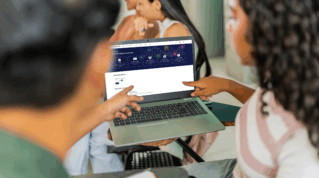
Some parents said they found accessing the Ofsted Parent View survey challenging and time-consuming, particularly on a mobile phone.
BIT advised the watchdog simplify or remove altogether the registration step to help increase responses. It should also be made more mobile-friendly.
Researchers also suggested providing a link to express interest in speaking to an inspector and only asking questions that were relevant to the respondent.
5. Use AI to look at survey feedback quicker
Parents, children and staff told Ofsted they like writing their thoughts in their own words, and would like more chances to do this.
But it may mean that Ofsted wouldn’t be able to read all the responses.
BIT suggests artificial intelligence could be used to process responses. It may help inspectors identify lines of inquiry quicker without overwhelming them.
To ensure responses with sensitive or serious content are not missed, the system could flag responses containing key words for the inspector to read individually.









Your thoughts