


The education secretary Bridget Phillipson has written to headteachers this morning urging all schools to implement a mobile phone ban.
It comes after the government issued “tougher” guidance on mobile phone use in schools last week, announcing that Ofsted will examine phone policies and how effectively they are applied during inspections from April.
The government will also launch a consultation on children’s use of technology, just as an amendment to the children’s wellbeing and schools bill that would force ministers to ban social media for under-16s has been passed in the House of Lords.
But what do all of these changes mean for schools? Here’s everything you need to know…
‘Tougher’ guidance
Government last week pledged “tougher” new guidance on use of mobile phones in schools.
While the Department for Education has always recommended that schools be phone-free environments, it previously said it was “for school leaders to develop and implement a tailored policy”.
New guidance states “all schools should be mobile phone-free environments by default, anything other than this should be an exception only”.
This should include during lessons, between lessons and at break times and lunchtimes.
The guidance is non-statutory, meaning schools do not have a legal duty to follow it.
However, the DfE told Schools Week last week an upcoming consultation will consider whether leaders “should have a clear legal obligation to consider the guidance in setting and implementing mobile phone policies”.
Phillipson writes to heads
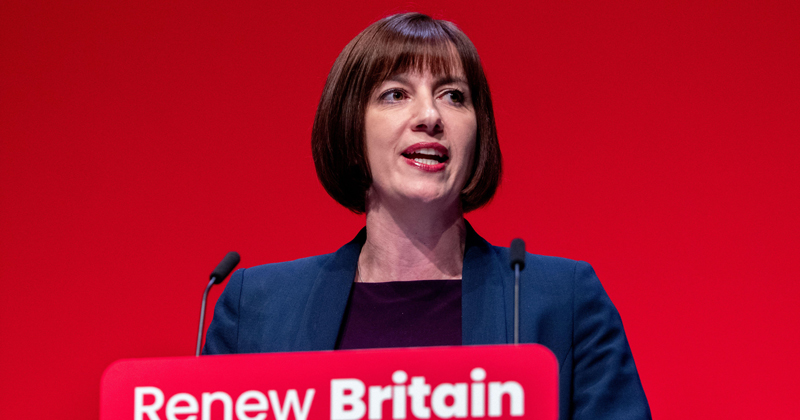
Writing to headteachers this morning, education secretary Bridget Phillipson said previous guidance “did not deliver the clarity or consistency that schools need, or help enough in setting out for parents that this is a clear national position”.
“Schools should not only have clear policies, but should make sure those policies are applied consistently across classes and at all times, and we want parents to back these policies too,” Phillipson wrote.
Research by the children’s commissioner, Rachel de Souza, found last year that 90 per cent of secondary schools and 99.8 per cent of primary schools already have policies in place that stop the use of mobile phones during the school day, in line with DfE non-statutory guidance.
But the majority (79 per cent) of secondaries allowed pupils to bring phones to school if they keep them out of sight and do not use them.
Schools requiring additional help in following the guidance will be able to access support through the governments attendance and behaviour hubs.
Ofsted’s powers
The DfE announced last week that Ofsted will check every school’s policy on mobile phones during inspections.
But the watchdog already started looking at mobile phone policies in its new inspection toolkit launched in November.
The toolkit says leaders should “have high expectations for all pupils’ attendance, behaviour and attitudes, and design effective policies that communicate these high expectations clearly to all staff, pupils and parents, including expectations related to mobile phones”.
Ofsted has said the effectiveness of mobile phone policies would be considered when deciding on grades.
Now, government has said Ofsted will check a school’s policy on every visit from April 1.
Inspectors will discuss with leaders what their policy is, how this is communicated to and understood by parents and pupils, and determine whether it is consistently followed.
Conversations will differ depending on the policy, Ofsted said. If a school has completely banned phones, inspectors will want to see how clearly it has been implemented. If a school has some exceptions, inspectors will want to understand why.
Schools not following policy
If a school does not follow the guidance, inspectors will continue to explore the impact of mobile phones on pupils behaviour, safety and wellbeing, the inspectorate said.
Inspectors will look at whether phones contribute to disruption to learning, incidents of bullying and discrimination or is detrimental to pupils mental health and sense of belonging.
Evidence of one of or more of these points would make it likely that a school’s ‘expected standard’ for attendance and behaviour will not be met, Ofsted said.
More pressure on government
Chief inspector Martyn Oliver has previously supported a ban of mobile phones in schools.
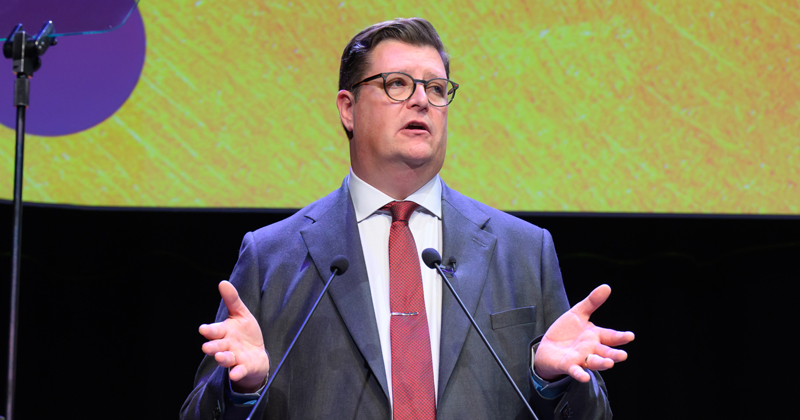
Speaking at the Bett Conference last week, Oliver said “If I went back to being a headteacher tomorrow, or straight after I finished this job as chief inspector…I would definitely have banned mobile phones.”
Oliver said he welcomed the consultation on a social media ban for teenagers.
It was announced just days before peer John Nash successfully passed an amendment that would force ministers to implement a ban as part of the children’s wellbeing and schools bill.
Nash, a Conservative peer and former academies minister, told the upper house the country faced “nothing short of a societal catastrophe caused by the fact that so many of our children are addicted to social media”.
Shadow education secretary Laura Trott had previously called on Ofsted to fail schools for safeguarding if they did not have an effective mobile phone ban in place.
Paul Whiteman, general secretary of school leaders’ union NAHT, said he “welcomed the clarity” provided by Phillipson.
But he said involving Ofsted was “both unnecessary and unhelpful” which will leave leaders feeling “threatened rather than supported by this approach”.

Your thoughts