

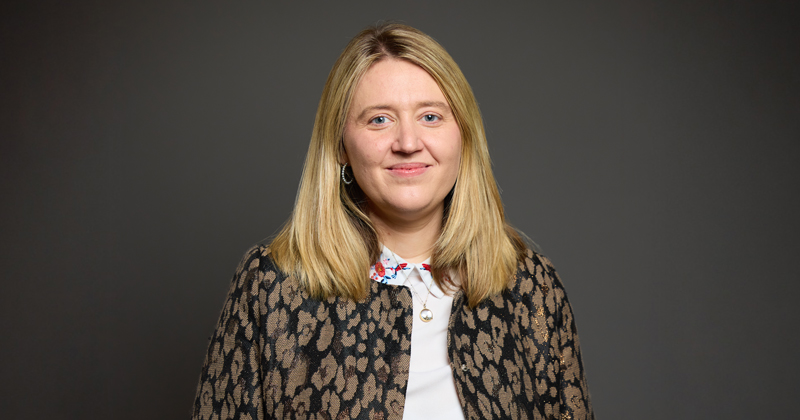
Accountability and better support for parents have been “consistent themes” emerging from SEND “conversations”, the schools minister told Schools Week as she assured the sector that feedback would be reflected in upcoming reforms.
Georgia Gould said the listening sessions, dubbed by the Department for Education as the “biggest national conversation on SEND in a generation”, have “really shaped our thinking” on the white paper, set to be released in the coming weeks.
Schools Week attended the penultimate session held in Darlington on Thursday and attended by about 100 people, including parents, headteachers, local government officers and SEND specialists. Thousands have attended online events hosted by Gould.
Parents and campaigners have said the exercise was “futile” because it ran so close to the delayed white paper’s publication date.
But Gould said the government “can be really clear” that reforms have come “directly from these conversations”. However, she did not reveal what these were.
Gould, a former council leader, said accountability, greater support for parents and better partnership between health, local authority and schools had been “consistent themes” across the country.
On Thursday, DfE officials on roundtables heard from one parent about how the money wasn’t there to fund identified support.
The parent added it was only because they could privately fund their child that he could succeed in his education.
One school leader said more teacher training was needed. Another participant said there had been a “lack of national leadership”.
‘Helping us shape the white paper’
Parents have previously expressed their frustrations that little effective action has followed the many reviews or reports into the SEND system.
Gould, who was appointed in September, told Schools Week there had been “hundreds and hundreds of conversations” before the events, all of which were “helping us shape the white paper”.
“This is such a huge, huge reform. It’s so deeply important for people around the country. It’s a system that affects so many young people – it’s critical that we get this right.”
“I felt, we all felt, it was important to take that extra time to do these listening events. I’m so glad that we have because we’ve got so much out of them.”
When asked what has surprised her the most, Gould said a group of young people with SEND told her they wanted someone with “lived experience, whether that was a kind of mentor, a teacher, that they could talk to [about] having special educational needs and disabilities”.
They told her it would make a “huge difference”.
Responding to an article published by The Times that suggested children with more “moderate needs” such as ADHD could lose statutory support, Gould only said “there’s always going to be a legal basis to support for children with special educational needs”.
The last online event will take place next Wednesday evening. Then the wait for the reforms begins.


Your thoughts